A sales rep has 12 client calls this week. Each client has different pain points, different timelines, different decision-makers, different objections. By Friday, the details blur together. Was it Acme Corp that mentioned the Q3 budget freeze, or was that GlobalTech? Did the VP of Engineering say they needed SOC 2 compliance, or was that the CTO at the other company?
CRM notes help — when they get written. But the gap between what was said on a call and what ends up in Salesforce is enormous. The nuance, the exact objections, the offhand comment about a competitor — that's where deals are won or lost, and it rarely makes it into the CRM.
The Information Loss Problem in Sales
Sales conversations are dense with actionable intelligence. A single discovery call might reveal:
- The real decision-maker (not the person on the call)
- Budget constraints and timing
- Competitor products being evaluated
- Internal politics affecting the decision
- Specific pain points in the prospect's current workflow
- Objections that need to be addressed in the proposal
A rep taking notes during the call captures maybe 30% of this. The rest lives in memory — which fades fast when you're doing 10+ calls a day.
The result: follow-up emails miss key points. Proposals don't address the real objections. Handoffs to account managers lose critical context. Deals slip because someone forgot a detail that mattered.
What AI-Powered Sales Intelligence Looks Like
Complete Call Capture
AmyNote uses OpenAI's latest Speech API to transcribe every sales call with high accuracy — including industry jargon, product names, and the rapid back-and-forth of a negotiation. The rep stays fully present in the conversation instead of splitting attention between listening and typing.
This works for in-person meetings too — not just video calls. Client dinners, trade show conversations, hallway chats at conferences. The moments where the most honest information gets shared are often the least documented.
AI-Extracted Deal Intelligence
After each call, AmyNote's AI — powered by Anthropic's Claude Opus — extracts structured sales intelligence:
- Key pain points mentioned by the prospect
- Budget and timeline signals
- Decision-makers and influencers identified
- Competitor mentions and comparisons
- Objections raised and how they were addressed
- Commitments made by both sides
- Suggested next steps
This isn't a generic summary. It's structured deal intelligence that maps directly to how sales teams track opportunities.
Cross-Call Search: The Compound Advantage
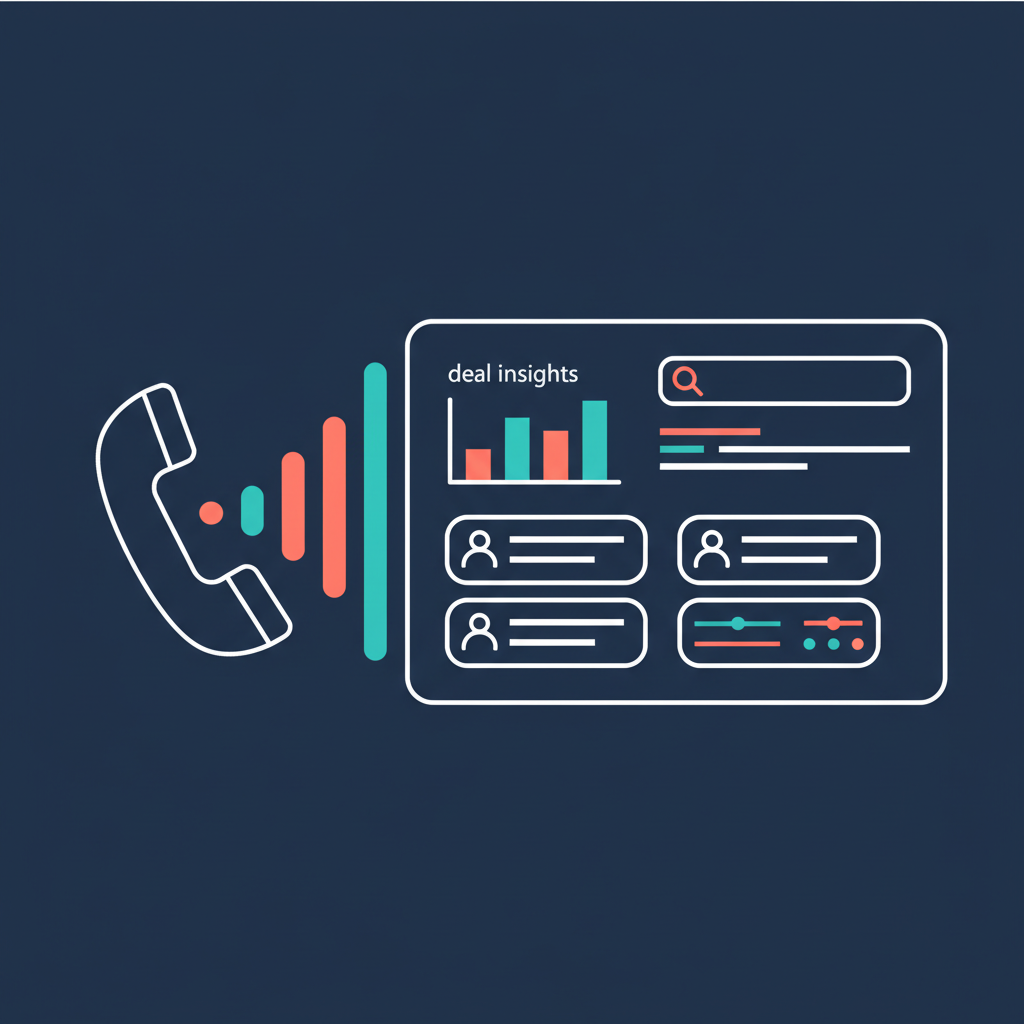
The real power shows up over time. Semantic search across all your client conversations creates a searchable deal intelligence database.
Before a follow-up call, search "what were Acme Corp's main objections?" and get the exact quotes from every previous conversation. Preparing a proposal? Search "budget" across all calls with that prospect and find every mention of pricing sensitivity, budget cycles, and approval processes.
For account managers inheriting deals: instead of a 30-minute handoff meeting, search the full conversation history. Every detail the original rep captured is there — including the ones they forgot to mention.
Speaker Identification for Multi-Stakeholder Deals
Enterprise deals involve multiple stakeholders. A single account might have conversations with the CTO, VP of Engineering, procurement lead, and end users. AmyNote identifies and labels each speaker, and remembers them across sessions.
When the CTO says "we need this deployed by Q3" and the procurement lead says "budget won't be approved until Q4," that contradiction is visible in the transcripts — attributed to the right people. This is the kind of intelligence that changes deal strategy.
The Privacy Advantage in Client Relationships
Clients share sensitive information in sales conversations — competitive intelligence, internal challenges, budget details. Using a transcription tool that feeds this data into AI training pipelines is a trust violation waiting to happen.
AmyNote's architecture: transcription through OpenAI's Speech API, AI analysis through Anthropic's Claude Opus. Both providers contractually guarantee zero training on user data. Client conversations don't feed into models that might surface similar information to competitors. Transcripts stay on the rep's device with encrypted transport.
For enterprise sales where trust is the product, this matters.
The Numbers
| Before | After | |
|---|---|---|
| Post-call CRM updates | 15-20 min per call | 5 min review + paste |
| Deal context retained | ~30% of conversation | 100% searchable |
| Handoff quality | 30-min briefing + gaps | Full searchable history |
| Pre-call prep | Skim old notes | AI-powered Q&A on all past calls |
The time savings are real — 10+ hours per week for a rep doing 12 calls. But the deal intelligence is where the revenue impact lives. One recovered detail that saves a deal pays for the tool indefinitely.
Getting Started
AmyNote works for every type of sales conversation — video calls, phone calls, in-person meetings, trade show hallways. Transcription by OpenAI. AI analysis by Anthropic's Claude Opus. Zero-training guarantees from both providers.
3-day free trial. No credit card required.