Every AI meeting notetaker promises the same thing: record your meetings, get transcripts, never miss a detail. The feature lists look identical. The marketing sounds identical. Choosing between them feels like comparing identical white sedans.
But the differences matter — especially once you move past the demo and into daily use. Here's a framework for evaluating what actually separates good AI notetakers from the ones that end up unused after the trial period.
The Three Things That Actually Matter
After the novelty wears off, AI meeting notetakers succeed or fail on three dimensions: transcription accuracy in your domain, what happens to your data, and whether you can find things later. Everything else is a feature checkbox.
Dimension 1: Transcription Accuracy (In Your World)
Every tool demos well with clear, single-speaker English. The real test is your actual meetings:
- Domain vocabulary. Legal terms, medical terminology, financial jargon, technical acronyms — does the tool handle the words you actually use? "EBITDA" shouldn't become "a bit of." "Kubernetes" shouldn't become "Cooper Netties."
- Multi-speaker accuracy. Most meetings have 3+ speakers. Can the tool reliably separate and identify them? Does it remember speakers across sessions, or do you re-label every time?
- Accent and language handling. If your team is international, test with your actual accents and languages. Support for 120+ languages on paper means nothing if Mandarin-accented English gets garbled.
The underlying transcription engine matters more than the wrapper. Tools built on OpenAI's latest Speech API currently lead on accuracy across domains and languages. Tools using older or proprietary models often lag on specialized vocabulary.
Dimension 2: What Happens to Your Data
This is where the market splits dramatically, and where most buyers don't ask enough questions.
- Where does audio go? Some tools process audio on-device. Others upload to their own cloud. Others use third-party APIs. Each has different privacy implications.
- Is your data used for training? This is the critical question. Many AI services use customer data to improve their models. That means your confidential meeting content could influence outputs for other users. Look for explicit zero-training guarantees.
- How long is data retained? Even if audio is processed in the cloud, is it deleted immediately after transcription? Or stored for days, weeks, indefinitely?
- Where are transcripts stored? On your device? On the vendor's servers? In a third-party cloud? Each answer has different implications for data sovereignty and compliance.
The gold standard: AI providers that contractually guarantee zero training on user data, no data retention after processing, and local storage of all transcripts on your device. This combination is rare but exists.
Dimension 3: Can You Find Things Later?
Transcription is table stakes. The real value of an AI meeting tool shows up weeks later, when you need to find something specific from a conversation you barely remember.
- Keyword search is the minimum. Every tool has it. It's useful but limited — you need to remember the exact words used.
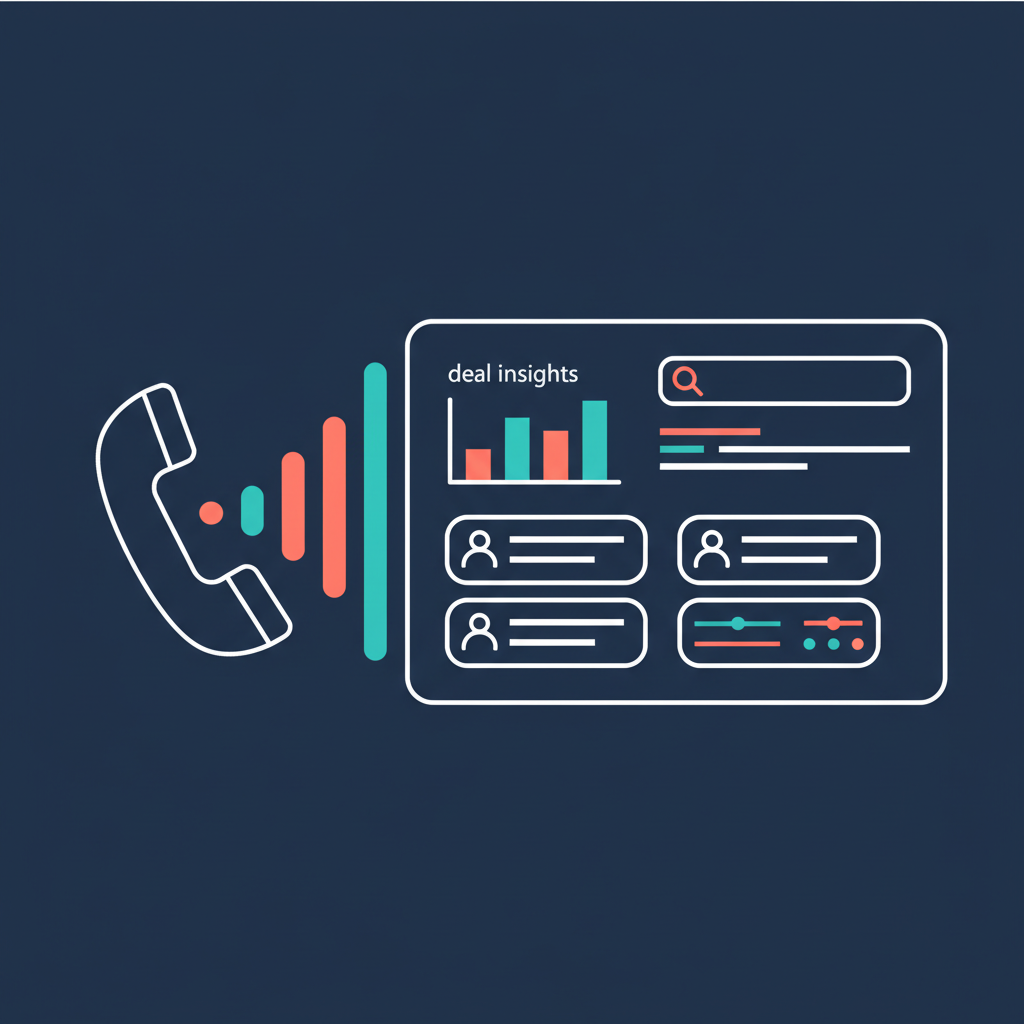
- Semantic search is the differentiator. Ask "what did the client say about the timeline?" and get relevant results even if the word "timeline" was never spoken. This requires AI-powered embeddings, not just text matching.
- Cross-meeting search is the multiplier. Searching across all your meetings — not just one — turns your meeting history into a knowledge base. Patterns emerge. Contradictions surface. Context compounds.
The Features That Sound Good But Rarely Matter
- Bot that joins video calls. Sounds convenient, but many participants find meeting bots intrusive. Tools that record directly on your device avoid this friction entirely — and work for in-person meetings too.
- Real-time collaboration. Shared live transcripts sound useful in theory. In practice, everyone is in the same meeting. The value is in the post-meeting artifact, not the live view.
- Integrations with 50+ tools. Most users need export to 2-3 tools at most. A massive integration list often signals a product that hasn't figured out its core value.
A Practical Evaluation Framework
Before committing to any AI meeting notetaker, run this test:
- Record 3 real meetings — not demos, not test recordings. Your actual meetings with your actual vocabulary and speakers.
- Check accuracy on domain terms — find the 10 most specialized terms from those meetings. How many did the tool get right?
- Test speaker identification — in a 4+ person meeting, did it correctly separate and label speakers?
- Ask the privacy questions — where does audio go? Is it used for training? How long is it retained? Get written answers.
- Search for something specific — a week after recording, try to find a specific statement using natural language. How fast and accurate is the result?
- Check the AI summary quality — does it extract actual decisions and action items, or just produce a generic paragraph?
Where AmyNote Fits
AmyNote is built around the three dimensions that matter. Transcription powered by OpenAI's latest Speech API for domain-accurate results across 120+ languages. AI analysis by Anthropic's Claude Opus for intelligent summaries and semantic search. Both providers contractually guarantee zero training on user data.
All recordings and transcripts stay on your device. Works for in-person meetings — no bot required. Speaker identification with cross-session memory.
3-day free trial. No credit card required.