A wealth manager meets with a client. They discuss risk tolerance, recommend a portfolio allocation, and agree on an investment strategy. Six months later, the market drops. The client claims they were never told about the risks. The advisor's handwritten notes say "discussed risk factors."
That's not an audit trail. That's a liability.
Financial regulators — SEC, FINRA, FCA, MAS — increasingly expect detailed records of client interactions. Not summaries. Not interpretations. Accurate, timestamped records of what was said, by whom, and when. Manual meeting notes have never met this standard. AI transcription finally can.
The Compliance Gap in Financial Services
Financial services firms operate under some of the strictest documentation requirements of any industry. MiFID II in Europe requires firms to record client communications related to transactions. FINRA Rule 3110 mandates supervision of client interactions. The SEC's Regulation Best Interest requires documentation of the basis for recommendations.
The common thread: regulators want evidence of what was communicated, not just what was decided.
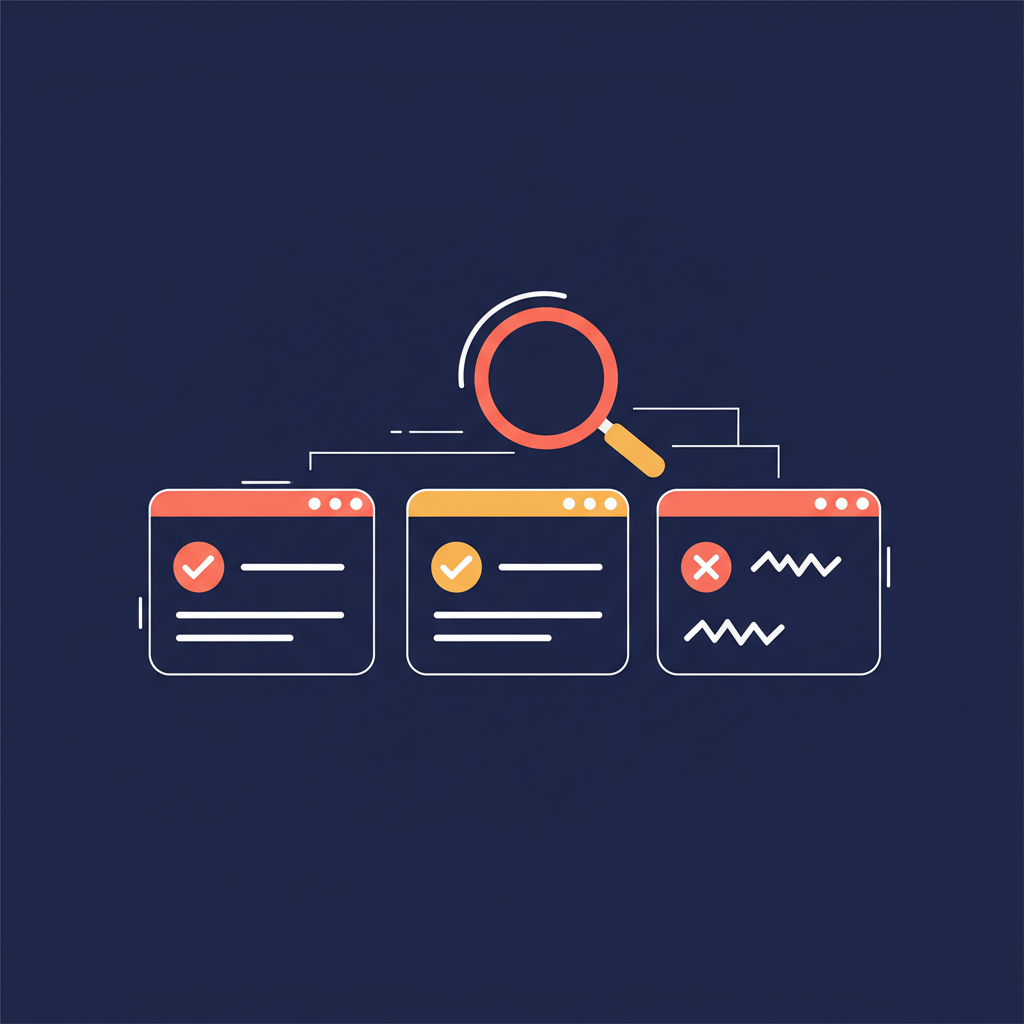
Manual meeting notes fail this standard in predictable ways:
- Selective capture. Advisors write down what they think matters. Regulators care about what was actually said — including the parts the advisor didn't think were important at the time.
- No attribution. "Risk was discussed" doesn't tell a regulator who raised the concern, how the client responded, or whether the advisor adequately explained the downside scenarios.
- Reconstruction bias. Notes written after a meeting are influenced by what the advisor remembers — which is shaped by what they expected to hear, not necessarily what was said.
- No timestamps. When a dispute arises, the sequence of statements matters. Manual notes rarely capture timing.
What a Compliance-Grade Audit Trail Looks Like
Verbatim Transcription with Timestamps
AmyNote uses OpenAI's latest Speech API to produce accurate, timestamped transcriptions of client meetings. Every statement is captured with the exact time it was made. Financial terminology — "EBITDA," "Sharpe ratio," "basis points," "duration risk" — is transcribed correctly.
When a regulator asks "did the advisor explain the risks of concentrated positions?", the answer isn't a subjective recollection. It's a timestamped transcript showing exactly what was said.
Speaker Identification for Attribution
In a meeting with an advisor, a client, and a compliance officer, knowing who said what is the entire point. AmyNote identifies and labels each speaker, creating a record where every statement has clear attribution.
"The client acknowledged understanding the liquidity constraints" becomes verifiable when the transcript shows the client's exact words, labeled and timestamped.
AI-Extracted Compliance Artifacts
After each meeting, AmyNote's AI — powered by Anthropic's Claude Opus — extracts structured compliance-relevant information:
- Suitability discussions and client risk acknowledgments
- Recommendations made with stated rationale
- Client questions and advisor responses
- Action items with responsible parties
- Disclosures delivered and client confirmations
This isn't replacing compliance review — it's giving compliance teams structured, searchable source material instead of handwritten notes.
The Privacy Architecture Financial Firms Need
Financial client data is among the most sensitive information any firm handles. The transcription tool's data handling is itself a compliance consideration.
AmyNote's architecture: transcription through OpenAI's Speech API, AI analysis through Anthropic's Claude Opus. Both providers contractually guarantee zero training on user data. Audio is encrypted in transit; processing copies may be retained to deliver and recover requested features. All transcripts and recordings are stored locally on the advisor's device with encrypted transport.
For compliance teams evaluating the tool: no client audio persists on third-party infrastructure. No client conversations feed into AI training pipelines. The firm maintains full control over all records.
Cross-Meeting Intelligence for Compliance
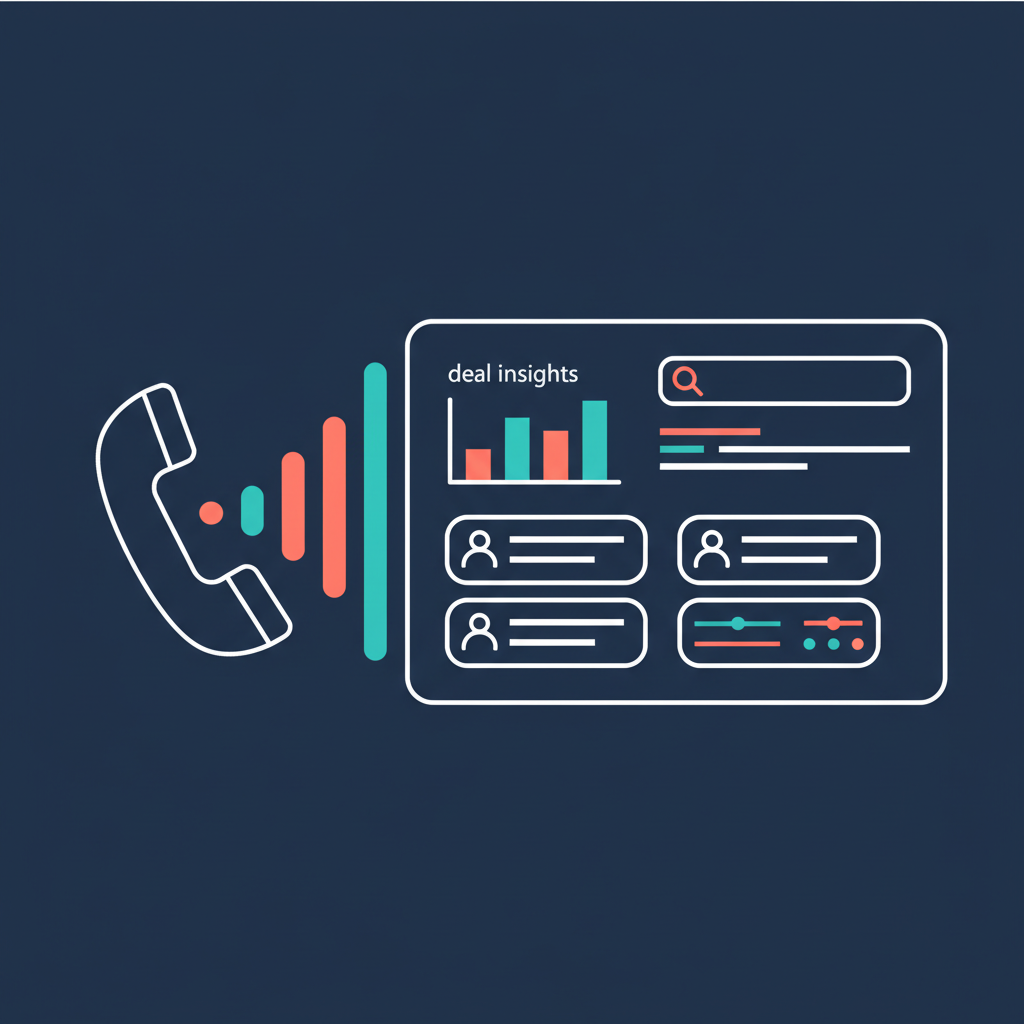
The underrated compliance feature: semantic search across all client meetings.
When a compliance review requires checking whether an advisor consistently disclosed risks across all client interactions, searching "risk disclosure" across 6 months of meetings produces every relevant conversation — with exact quotes, timestamps, and speaker attribution.
For supervisory reviews under FINRA 3110, this transforms a manual sampling exercise into a comprehensive, searchable audit. Instead of reviewing 5 random meetings, compliance can search for specific topics across all meetings and identify gaps systematically.
The ROI Calculation
| Before | After | |
|---|---|---|
| Post-meeting documentation | 30-45 min per meeting | 5-10 min review |
| Compliance review prep | Hours of manual note review | AI-powered search in seconds |
| Dispute resolution evidence | Subjective notes | Timestamped transcripts |
| Regulatory exam readiness | Weeks of preparation | Searchable archive always ready |
The time savings are significant. But the real value is risk reduction. One avoided regulatory finding or client dispute pays for years of subscriptions.
Choosing a Transcription Tool for Financial Compliance
- Zero-training guarantees — AI providers must contractually commit to never training on client data.
- No data retention — Audio and text must not persist on provider servers after processing.
- Financial terminology accuracy — Test with your actual vocabulary: fund names, financial instruments, regulatory terms.
- Speaker identification with attribution — Every statement needs a speaker label for compliance value.
- Timestamped transcripts — Sequence matters in regulatory disputes.
- Semantic search across meetings — Compliance reviews need cross-meeting analysis, not just single-meeting transcripts.
- Local storage with encryption — Client data stays on the firm's devices.