Your father’s new prescription is rejected at the pharmacy counter. The pharmacist says the plan will not pay. You call the plan that afternoon, explain everything, and hear that someone will look into it. A week later nothing has happened, and nobody can find your call.
Most families treat that moment at the register as the answer. It is not. Medicare Part D has a formal process for deciding whether a drug is covered, with deadlines measured in hours, and it starts with the plan, not the pharmacy. That process can begin with a phone call. Whether it did begin depends on a record the family usually does not keep.
The Problem: The Counter Is Not the Plan
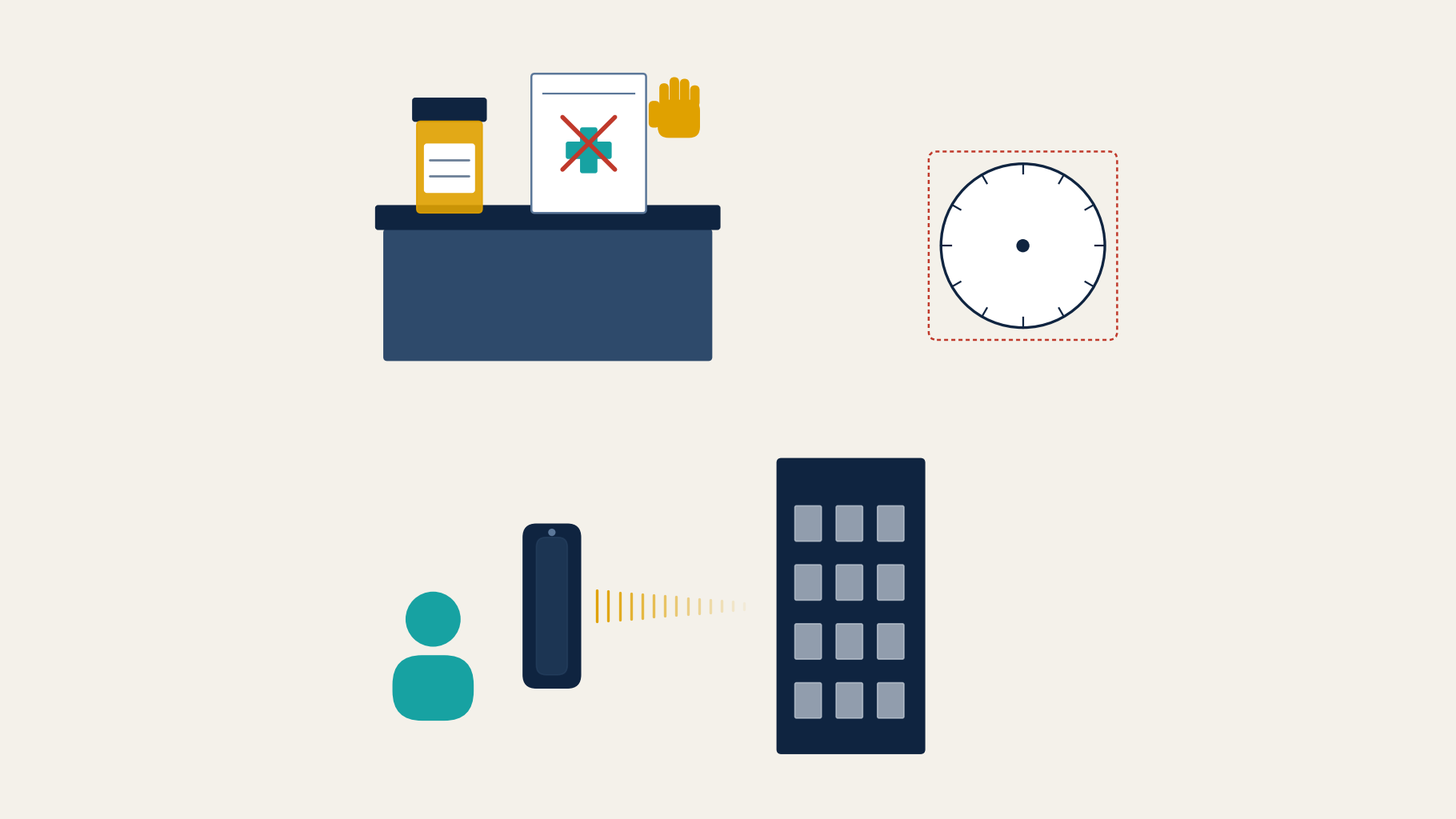
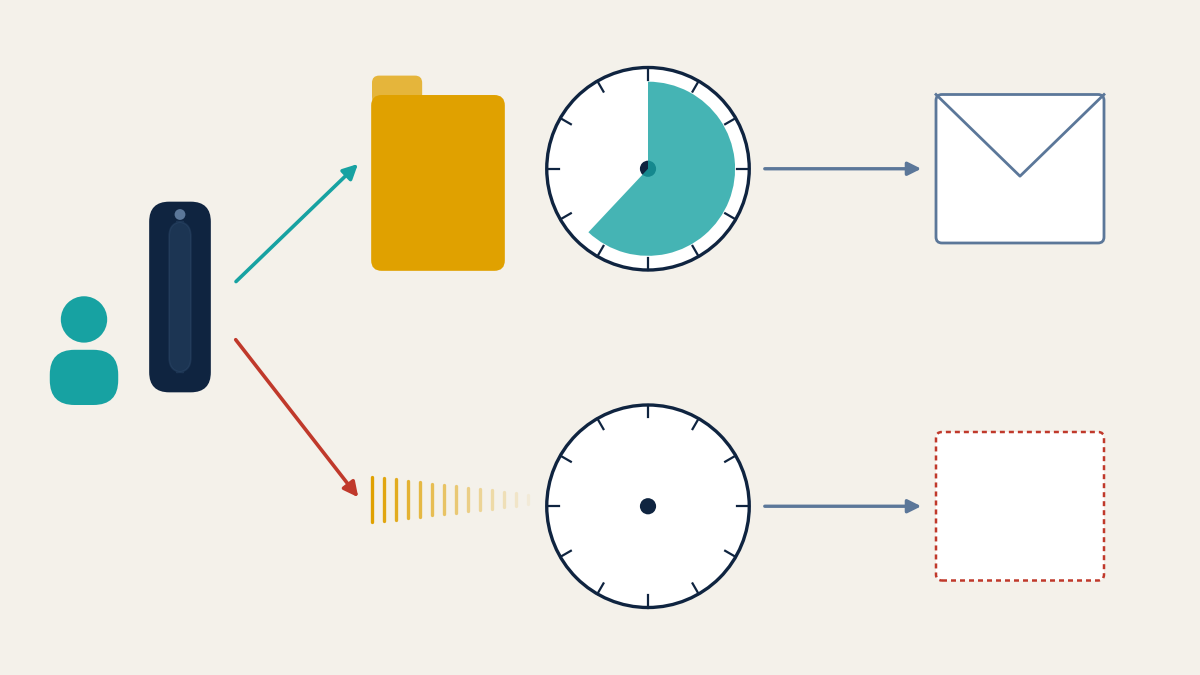
A rejection at the register is not a Medicare decision. Under 42 CFR 423.566, a coverage determination is an action by the Part D plan, such as a “decision not to provide or pay for a Part D drug”. The pharmacy is not the plan. Under 423.562, the pharmacy hands you a notice “instructing enrollees how to contact their plans to obtain a coverage determination or request an exception.” That notice is the pharmacy telling you where the real decision is made.
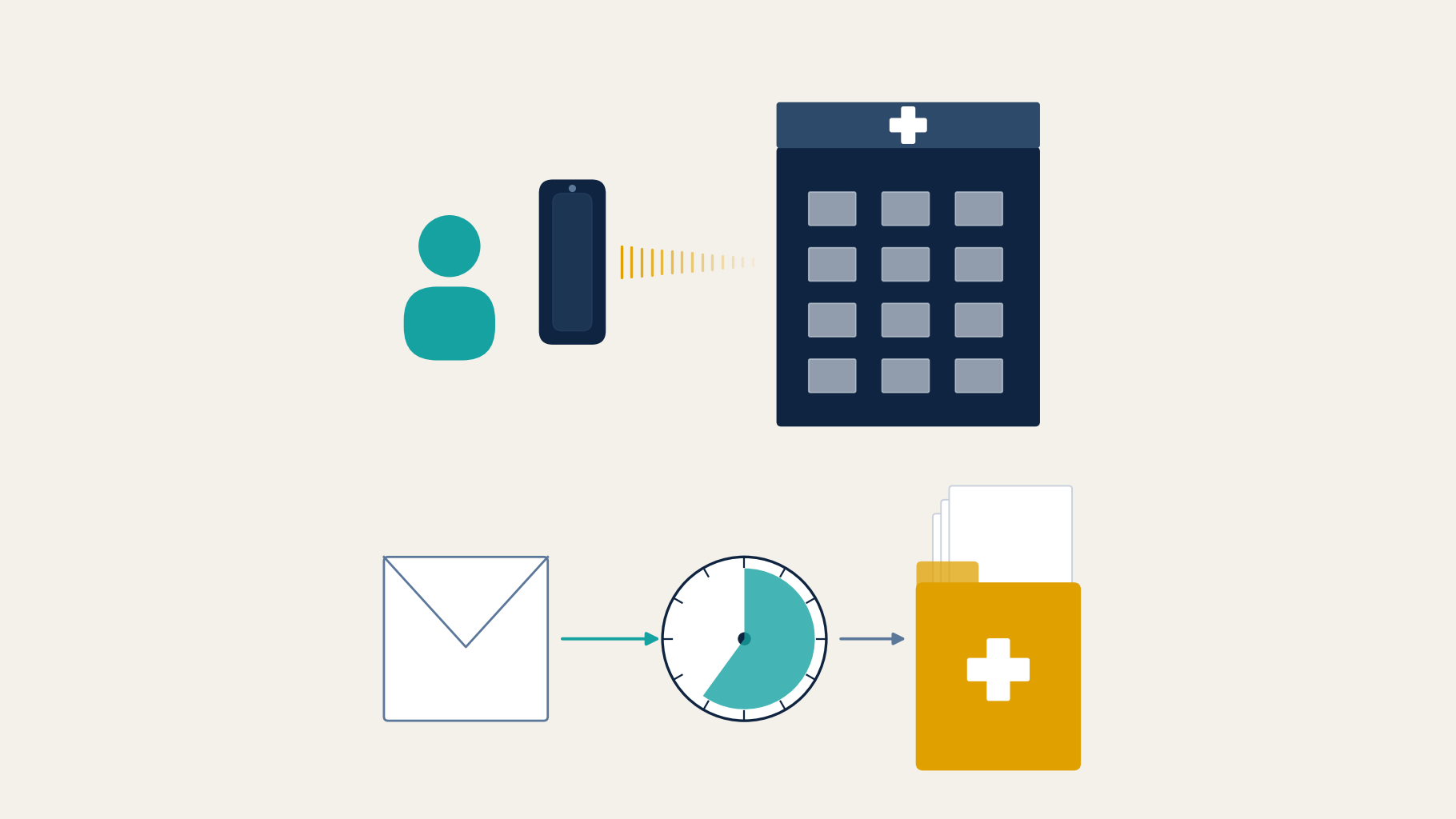
Asking is easy. Under 42 CFR 423.568, a standard request “may be made orally or in writing”, and the plan must decide “no later than 72 hours after receipt of the request.” When health is at risk, an expedited request gets an answer “no later than 24 hours after receiving the request.” Everything hangs on receipt:
- The plan keeps the only log. It must have “a method of documenting all oral requests and retain the documentation in the case file.” That file is theirs, not yours.
- Exceptions run on a second clock. For a drug that is off the formulary, the 72 hours start at “receipt of the physician’s or other prescriber’s supporting statement”, not at your call.
- A missed deadline is a decision. If time runs out, “the failure constitutes an adverse coverage determination”, and the request goes to the independent review entity within 24 hours.
Read together, those rules make the phone call the starting gun. If the plan logged a request on Tuesday afternoon, it owed an answer by Friday afternoon at the latest, and silence past that point moves the case to outside review on its own. If the plan logged nothing, or logged a question rather than a request, no clock started at all.
Why Current Solutions Fail
Most families write “called the plan, Tuesday” on the pharmacy bag. That note cannot show who answered or whether the call was framed as a request.
The wording matters because a plan may dismiss a request when the caller “failed to make out a valid request for a coverage determination that substantially complies” with the rule. Where callers lose:
- Questions are not requests. “Why was this rejected?” can be logged as a question, and no clock starts.
- The prescriber step goes missing. If the doctor’s office says it faxed the supporting statement and the plan says it never arrived, only the rule’s 14 day backstop is left.
- Oral denials fade. A denial can come by phone first, as long as “a written follow-up notice is mailed to the enrollee within 3 calendar days of the oral notification.” The appeal is “a written request” unless the plan accepts oral ones, filed “within 60 calendar days after receipt of the written coverage determination notice”.
Each of those failures looks the same from the kitchen table: you made the calls, and the plan’s file says something different. Caregivers juggling a parent’s medications, a prescriber’s office and a pharmacy are working from memory against an organization working from a case file.
What the Rules Make Depend on a Phone Call
| What is at stake | Rule | What it depends on |
|---|---|---|
| Whether a request exists | 423.568(a) | A request that “may be made orally or in writing”, documented in the plan’s case file |
| The standard clock | 423.568(b) | A decision “no later than 72 hours after receipt of the request” |
| The expedited clock | 423.572(a) | A decision “no later than 24 hours after receiving the request” |
| The exceptions clock | 423.568(b) | Receipt of the prescriber’s supporting statement, with a 14 day backstop |
| A missed deadline | 423.568(h) | Treated as an adverse decision and forwarded to independent review within 24 hours |
| The appeal window | 423.582 | A written request within 60 calendar days of the written notice |
Every row starts from a moment of receipt. For a family, the only evidence of that moment is whatever they captured on their own side of the call.
What Actually Works
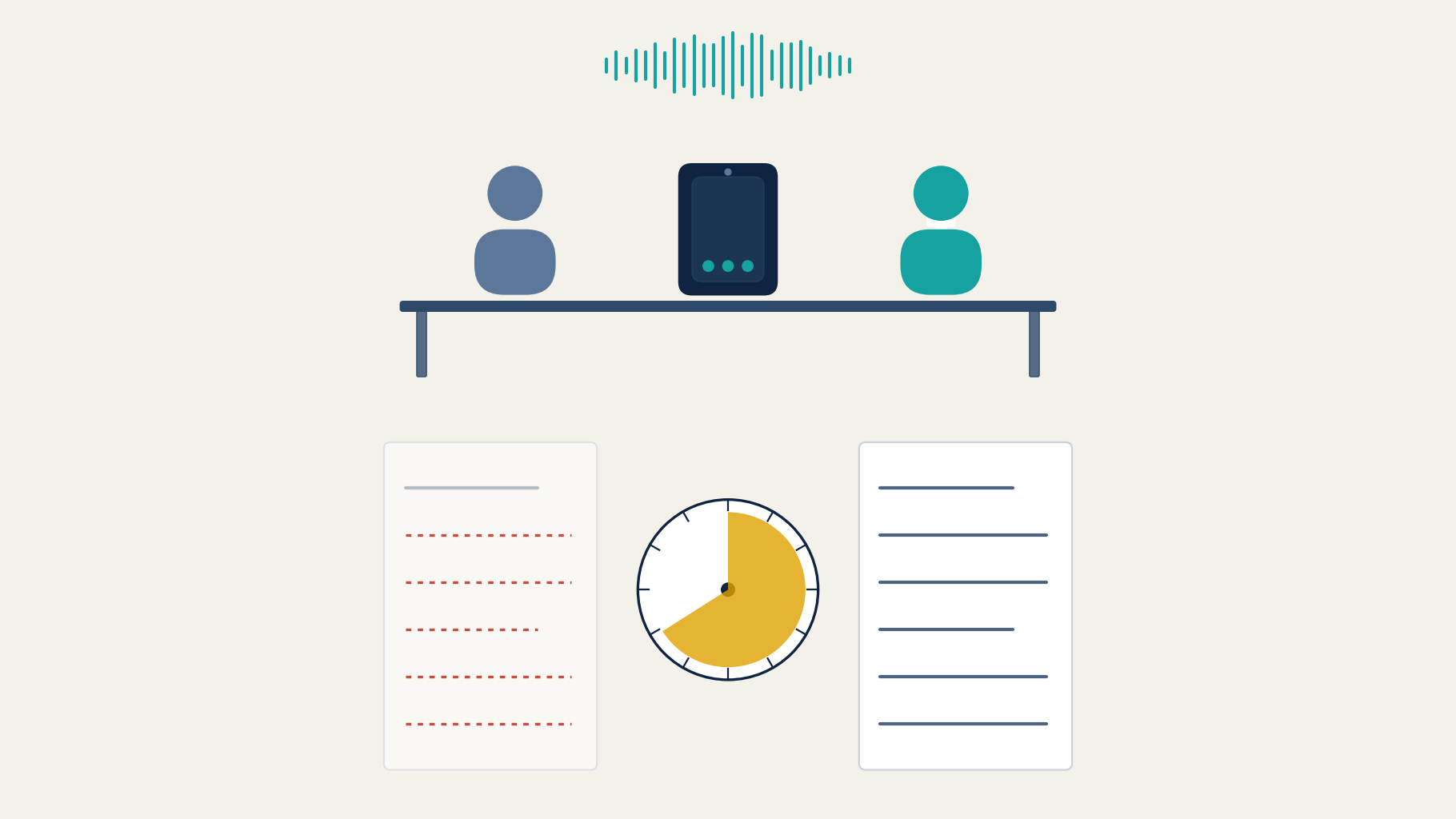
The fix is a verbatim, timestamped record of every call, kept by the family, not the plan.
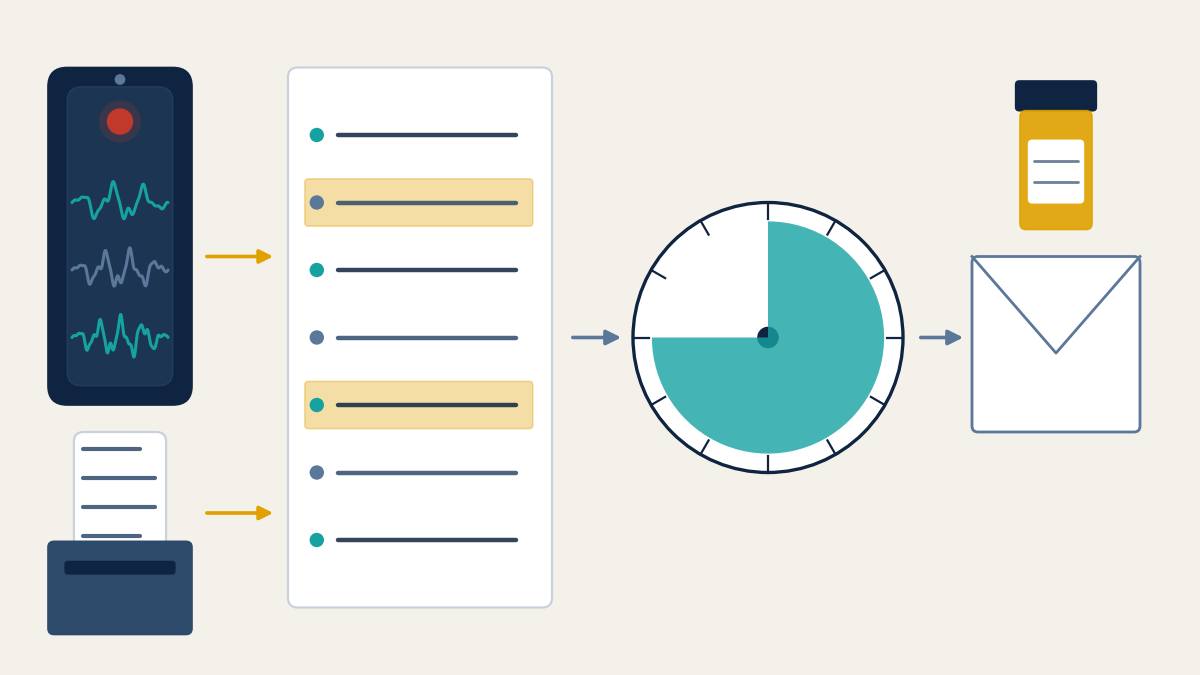
Record the call in the room. Put the call on speaker and let AmyNote record from a second device, such as an iPad. Tell the representative it is being recorded and follow your state’s consent law, since some states require every party to agree.
Capture the exact words. Transcription runs on OpenAI’s latest Speech API, so the drug name, the representative’s name and the sentence “I am requesting a coverage determination” land in the transcript as spoken.
Keep the speakers straight. Speaker identification separates you from each representative and remembers voices across calls, so Monday’s request and Thursday’s follow-up sit in one timeline. The same applies to calls with the prescriber’s office about when the supporting statement went out.
Turn the calls into a written appeal. AI analysis runs on Anthropic’s Claude Opus. Ask it for the time of each request and each reference number. If a denial comes, the appeal is usually in writing, so the transcript becomes the outline. Your recording is not the plan’s case file, but it shows when the clock should have started.
Privacy stated plainly. Transcription runs through OpenAI and Microsoft Azure speech services, and AI analysis through Anthropic. AmyNote states that it does not use customer data to train AI models. Audio and text are encrypted in transit with TLS, and the saved library stays on the caregiver’s own iPhone or iPad, where playback and export work offline.
Local first is not local only. When transcription or a summary runs, the needed audio or text is uploaded, and a processing copy may be retained to complete the request. AmyNote publishes that trade-off rather than hiding it.
Choosing the Right Tool
Any tool you use for these calls should do a few specific things. Check for them before the next rejection, not during it:
- It records a speakerphone call in the room. Plan calls happen on a landline or a phone in your hand. A meeting bot that joins video calls does not help here.
- It timestamps every line. The 24-hour and 72-hour clocks run from receipt, so you need the time, not just the day.
- It separates speakers across calls. You may talk to three representatives and a prescriber’s office in one week.
- It can search and summarize. When a written notice or an appeal deadline arrives, you need the reference numbers and exact phrases quickly.
- It is honest about where data goes. Health details about a parent are sensitive. Prefer a tool that says plainly what is uploaded, to whom, and whether it is used for training.
Getting Started
Before you call the plan, work through it in this order:
- Start a recording with consent. Tell the representative the call is being recorded.
- Say the words. State plainly that you are requesting a coverage determination, or an expedited one if waiting could seriously harm health.
- Ask for a reference number and the time received. Repeat both back so they land in the transcript.
- Call the prescriber’s office. Ask when it sent the supporting statement, and how.
- Watch the mail. If a denial comes by phone, a written notice should follow within 3 calendar days, and the 60-day appeal window runs from that notice.
AmyNote offers transcription by OpenAI, analysis by Anthropic’s Claude Opus, zero-training commitments from both, and a three day free trial with no credit card.
Originally published as an X Article by @AmyNoteApp.